What Is a Smart Home: The Essentials Explained Simply
What a smart home is, how it works, what it consists of, and why you might need one. A clear and simple explanation of the technologies that make everyday life more comfortable, secure, and intelligent.

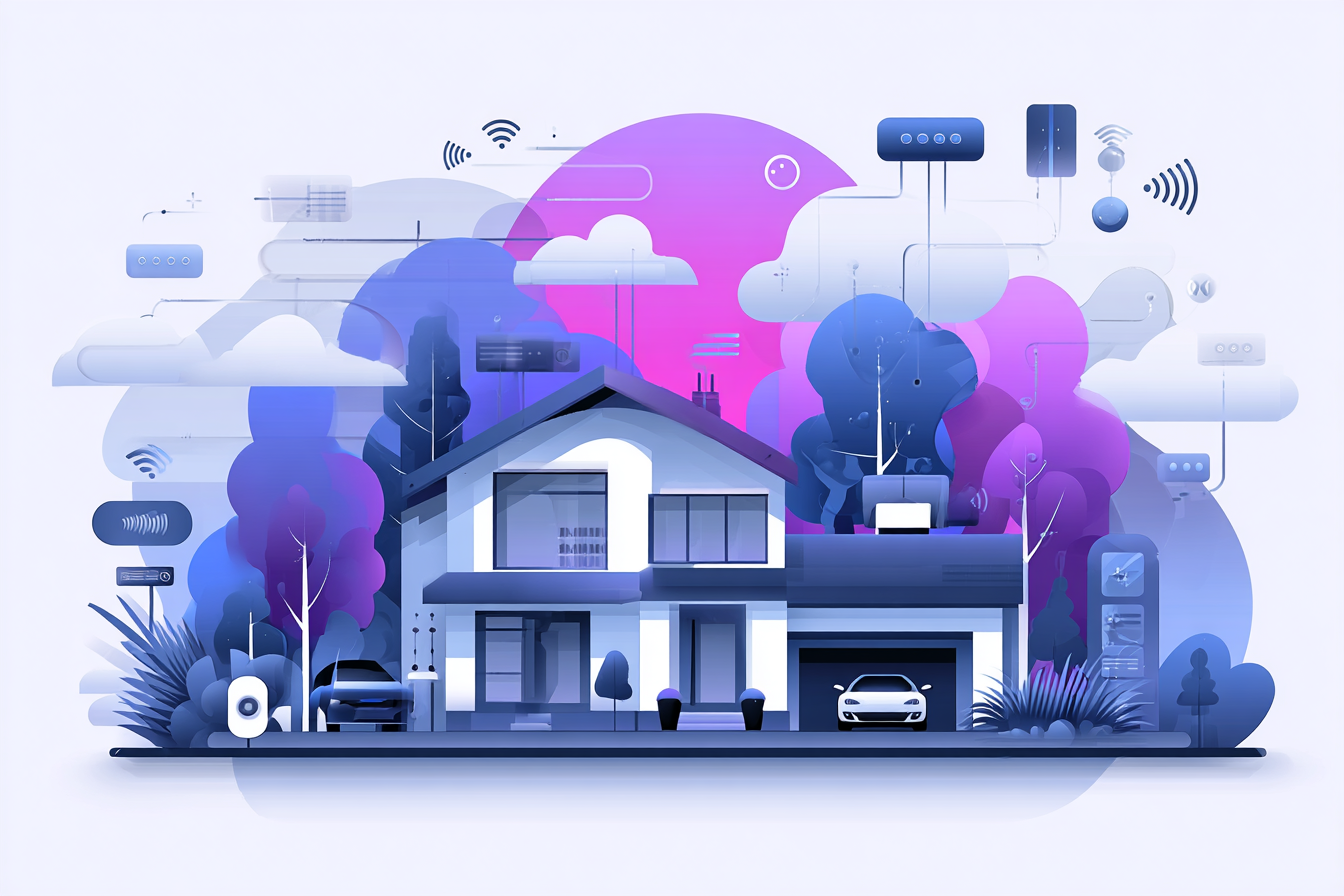
Modern technologies are steadily becoming part of everyday life. One of the most noticeable areas is the smart home. In this article, we’ll explain in simple terms what it is, how it works, and why you might need a smart home at all.
What is a smart home?
A smart home is an automation system that manages various devices in your home: lighting, heating, security, appliances, and more. Everything can be controlled remotely via smartphone, voice commands, or automatically—through scenarios and sensors.
How does a smart home work?
All devices connect to a central controller—for example, Home Assistant. It collects data from sensors, analyzes conditions, and executes predefined scenarios.
Examples of automation:
You leave home → the lights and appliances turn off, and security mode turns on
- It starts raining → the system closes the windows
- At night → lighting dims, security mode activates, and night heating mode turns on
What’s included in a smart home system?
Here are the main modules you can implement:
- Smart lighting. Motion sensors, scenarios (“evening,” “night light”), dimming
- Climate control. Managing heating, air conditioners, and underfloor heating
- Security. Smoke, leak, and motion sensors, cameras, alarm systems
- Energy monitoring. Consumption tracking, turning off forgotten devices, reports
- Voice control. Support for Yandex Alice, Siri, Google Assistant, and other assistants
Benefits of a smart home
- Convenience. All devices at your fingertips: in your smartphone, by voice, or automatically
- Security. You always know what’s happening at home. Notifications about leaks, motion, or open windows
- Efficiency. Lighting and heating run only when needed. Optimized energy consumption
- Freedom from routine. Set it up once—and stop worrying about an iron left on or running water
Are there any downsides?
In short—yes, but they’re easy to account for:
- Cost: Getting started with automation requires investment
- Internet dependency: Some systems rely on the cloud (solved with local automation)
- Setup complexity: Advanced features may require help from an integrator
Who is a smart home suitable for?
- Home and apartment owners
- Families with children
- Elderly people
- Anyone who values comfort, security, and technology
Conclusion
A smart home is not just about gadgets—it’s a practical tool that makes life more convenient and stress-free. And with open platforms like Home Assistant, you can build a system tailored to your needs without overpaying.