Smart Home Benefits
Why do you need a smart home? We explore the key advantages: comfort, security, energy savings, and full control from anywhere in the world.

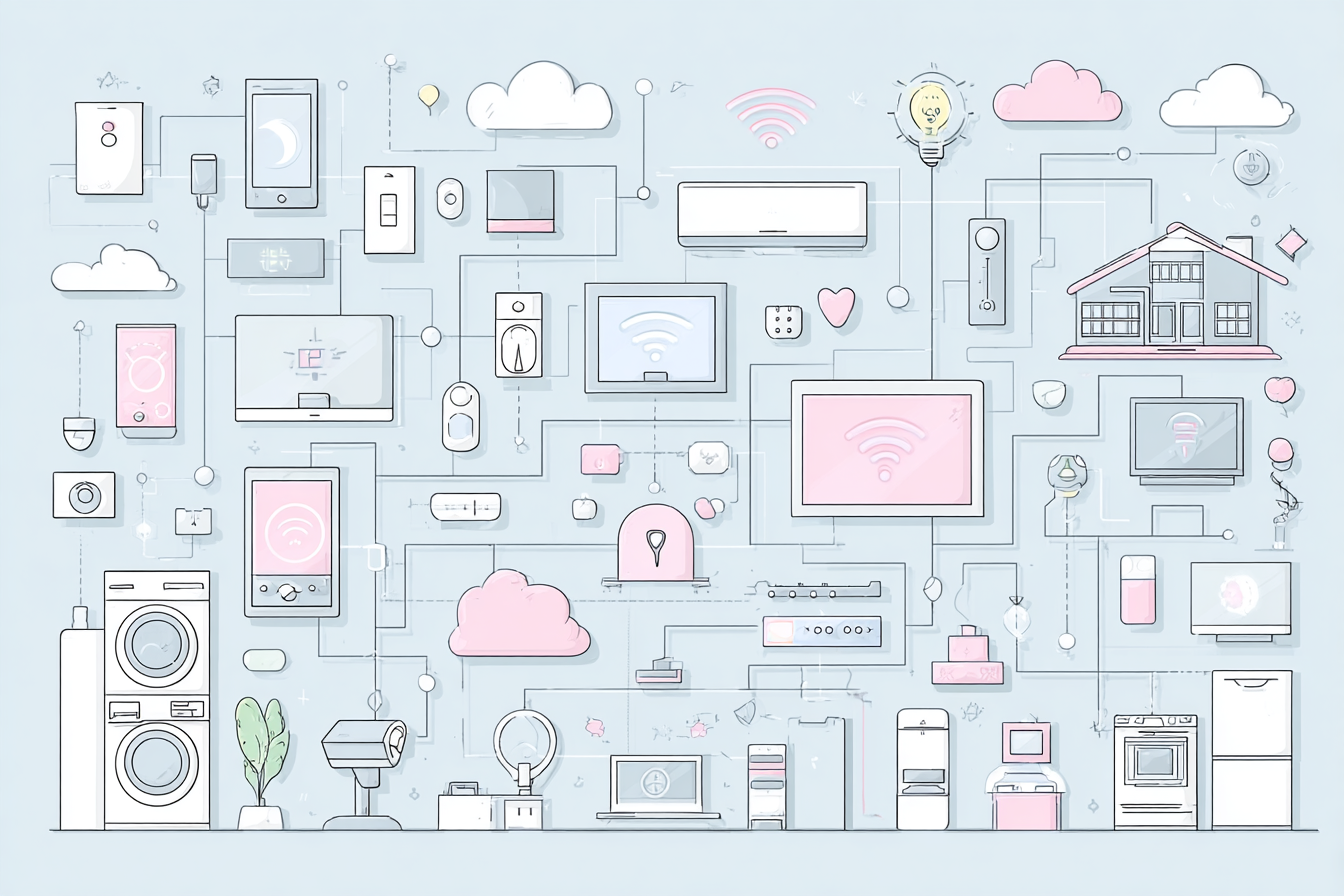
A smart home is not just a fashionable trend, but a practical tool for improving comfort, security, and energy efficiency in everyday life. Below we look at the key benefits of smart home systems and why more and more people are choosing them.
Comfort and Routine Automation
Smart home scenarios help free you from many everyday tasks:
- lights turn on automatically when you enter a room
- heating adjusts to your daily schedule
- curtains open with the sunrise
- the coffee machine starts when you wake up
You can control everything by voice, through a smartphone, or let the system operate completely autonomously based on predefined scenarios.
Energy Savings and Efficiency
A smart home not only improves comfort but also helps save energy:
- heating and air conditioning operate only when needed
- lighting turns off automatically when no one is in the room
- energy consumption can be monitored and optimized
As a result, utility costs can be reduced by 20–40%, depending on the automation scenarios.
Security and Monitoring
Security systems are an essential part of a smart home:
- notifications about water leaks, smoke, or door openings
- real-time video surveillance
- presence simulation while you are away
- control of locks and access sensors
All of this can be monitored and controlled from your smartphone anywhere in the world.
Remote Access and Control
Whether you are at your country house, on vacation, or at the office, a mobile app allows you to:
- check whether the iron or lights are turned off
- change the temperature in the house
- start irrigation or heating before arriving
- open the door for a courier
This gives you full control of your home 24/7.
Integration with Other Devices and Platforms
Modern systems such as Home Assistant allow you to combine dozens of brands and devices:
- Yandex Alice, Google Assistant, Apple HomeKit
- cameras, sensors, speakers, TVs, air conditioners
- integrations with weather, geolocation, and calendars
You get a single ecosystem that works seamlessly.
Flexibility and Scalability
A smart home system can be developed step by step:
- start with lighting or temperature control
- add security sensors
- move to full home automation
This approach makes the technology accessible both for apartments and large houses.
Conclusion
A smart home is an investment in comfort, security, and the future. It adapts to your lifestyle, takes care of routine tasks, and helps you live more conveniently and efficiently.
If you are considering switching to smart technologies, now is a great time to start.